
Introduction to Smart Home Gadgets
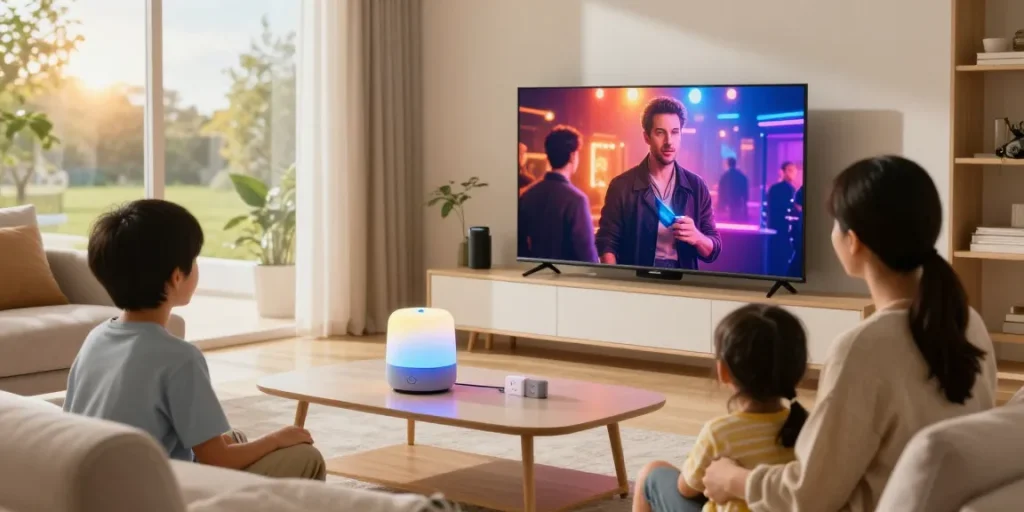
In today’s tech-driven world, the concept of a smart home has transitioned from a futuristic dream to a practical reality. Smart home gadgets are revolutionizing how we live, offering seamless integration of technology into our daily routines. Imagine controlling your lights, thermostat, and security systems with just your voice or smartphone. These advancements are not just about convenience; they enhance energy efficiency, improve security, and create a more comfortable environment. As we step into 2026, the array of available smart home gadgets continues to grow, bringing innovative solutions for homeowners seeking automation and improved lifestyle quality. When exploring options, smart home gadgets provide comprehensive insights into effective products that fit a variety of needs.
What Are Smart Home Gadgets?
Smart home gadgets are devices that connect to the internet and can be controlled remotely or automatically interact with each other. This includes everything from smart lights and thermostats to security cameras and appliances. The critical feature that distinguishes these devices from traditional gadgets is their ability to communicate with one another within a home network, allowing for enhanced functionality and automation.
The Evolution of Smart Home Technology
The evolution of smart home technology has been rapid. Initially, smart gadgets were limited to basic functionalities, such as remote control capabilities. Over the years, they have evolved to become more sophisticated, incorporating artificial intelligence, machine learning, and advanced sensors. This evolution has led to the creation of smart ecosystems where devices work together, providing users with a seamless experience. For instance, smart lighting can adjust based on the time of day or occupancy, and home security systems can send real-time alerts to homeowners via mobile apps.
Benefits of Integrating Smart Home Gadgets
The integration of smart home gadgets offers numerous benefits that can significantly improve daily life. These advantages include:
- Convenience: Automate daily tasks and control devices from anywhere using a smartphone or voice assistant.
- Energy Efficiency: Smart gadgets can optimize energy consumption, reducing utility bills by adjusting power usage based on occupancy or preferences.
- Enhanced Security: Smart security systems provide real-time monitoring, alerts, and remote access to ensure peace of mind.
- Comfort: Maintain an ideal living environment with smart thermostats and personalized lighting solutions.
Top Smart Home Gadgets to Consider in 2026
As 2026 unfolds, a multitude of smart home gadgets are making waves in the market, each designed to enhance safety, comfort, and convenience in our homes.
Smart Security Systems: Safety First
With growing concerns about home security, smart security systems have become a cornerstone of modern smart homes. These systems typically include smart locks, video doorbells, and security cameras that can be monitored remotely. Features like motion detection, night vision, and two-way audio allow homeowners to keep an eye on their property from anywhere. Additionally, integration with smart assistants enhances functionality, enabling voice command controls for security settings.
Smart Lighting Solutions for Every Mood
Lighting plays a crucial role in setting the ambiance of a home. Smart lighting solutions offer not only the ability to adjust brightness and color but also automation based on your routine. For example, smart bulbs can gradually brighten to simulate a sunrise, helping you wake up more gently. Furthermore, smart lighting can be programmed to switch on or off at specific times, enhancing security while also improving energy efficiency.
Smart Appliances That Save Time
In the realm of smart home gadgets, appliances are leading the charge in terms of innovation. Smart refrigerators come equipped with internal cameras that allow you to view contents via an app, making grocery shopping easier. Additionally, smart ovens can be preheated remotely, and washing machines can be monitored for completion status. These appliances not only save time but also streamline household chores, allowing for a more efficient lifestyle.
Building Your Smart Home Ecosystem
Successfully creating a smart home requires careful selection of devices and consideration of how they interact. Understanding these elements can lead to a well-integrated and efficient system.
Choosing the Right Platform: Alexa vs. Google Assistant
When embarking on the journey to create a smart home, choosing a platform is essential. Amazon’s Alexa and Google Assistant are two leading platforms, each offering unique advantages. Alexa boasts a vast range of compatible devices and skills, while Google Assistant excels in natural language understanding and integration with Google services. Ultimately, the choice depends on your existing devices and personal preferences.
Compatibility Between Devices: What to Look For
Compatibility is key to a functioning smart home ecosystem. When selecting gadgets, ensure they can work together seamlessly. Look for devices that adhere to common standards such as Zigbee or Z-Wave, as this increases the likelihood of compatibility across different brands.
Setting Up Your Smart Home Network
Creating a reliable network is fundamental for smart home devices. A stable Wi-Fi connection is essential for seamless operation and control. Consider using a dedicated smart home hub that can manage multiple devices and provide enhanced connectivity, minimizing interruptions due to network overload.
Real-World Applications of Smart Home Gadgets
Smart home gadgets are not just about flashy technology; they offer practical solutions that enhance our lives in various real-world scenarios.
Smart Gadgets for Energy Efficiency
Smart home gadgets can significantly contribute to energy efficiency. Smart thermostats, for example, learn your heating and cooling preferences over time, adjusting settings automatically to optimize energy use. Smart plugs allow you to control power to devices, enabling you to turn off electronics that are not in use remotely.
Home Automation Scenarios: Daily Routines
Imagine waking up to a home that already knows your routine. With smart automation, you can set your coffee maker to start brewing when your alarm goes off, and lights can gradually brighten as you wake. In the evening, your home can automatically adjust the thermostat and dim the lights, setting the perfect atmosphere for relaxation.
Smart Gadgets for Accessibility and Comfort
For individuals with disabilities or mobility challenges, smart home gadgets can greatly enhance accessibility and comfort. Voice-activated devices can control everything from lighting to doors, allowing users to navigate their homes without physical strain. Smart assistants can also streamline daily tasks, providing reminders or assistance with scheduling.
Future Trends in Smart Home Technology
The future of smart home technology is bright, with numerous trends on the horizon that promise to enhance our living spaces even further.
Emerging Smart Home Gadgets to Watch
As technology continues to evolve, new smart home gadgets are constantly emerging. For instance, gadgets that incorporate health-monitoring features, such as smart mirrors that can analyze your skin, are gaining popularity. Additionally, advances in robotics could lead to smart devices that assist with household chores, further easing the burden of daily responsibilities.
AI and Machine Learning in Smart Gadgets
Artificial intelligence and machine learning are set to play transformative roles in smart home technology. These technologies will allow devices to learn from user behavior, adapting to individual preferences and enhancing automation. This means your smart home will not just react but anticipate your needs, creating an intuitive living experience.
Predictions for Smart Home Innovations by 2030
Looking ahead, the smart home landscape is expected to witness significant innovations by 2030. Integration of advanced AI, coupled with the growth of 5G technology, will enable faster communication between devices. We may also see the broader adoption of health-monitoring gadgets, transforming how we approach wellness within our homes.